
How to Turn Backyard Birding Into Meaningful Citizen Science
Learn how consistent backyard birding observations can support biodiversity monitoring, education, and conservation while respecting privacy.
From Casual Sightings to Useful Bird Data
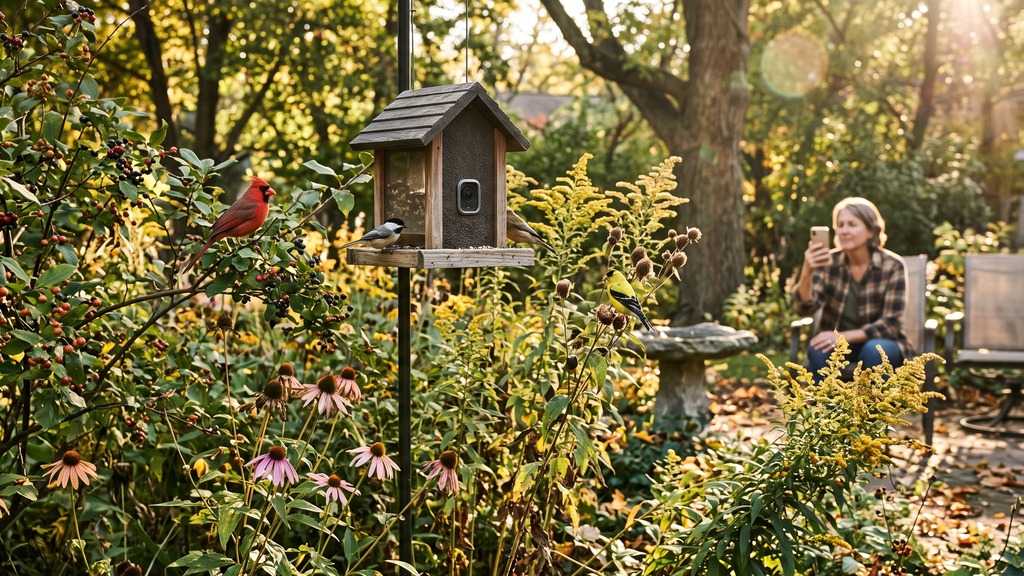
A bird visiting your feeder is more than a pleasant surprise. Repeated observations can help reveal which species share an environment, when migration peaks, and how bird activity changes across seasons. That is the foundation of citizen science: members of the public collect observations that can complement professional surveys and help educators, researchers, and conservation groups understand biodiversity at a wider scale.
The difference between a casual sighting and a useful record is consistency. Instead of noting only unusual visitors, record every observation using the same basic details: date, time, location, species, number of birds, and any notable behavior. A connected feeder such as Aviary Insight can help by capturing images, timestamps, activity trends, and identification confidence in one place. Its records are not automatically perfect or scientifically complete, but they can make regular backyard birding easier to organize. Over time, a series of comparable entries becomes more valuable than a collection of memorable but isolated sightings.
Collect Observations With Care and Context
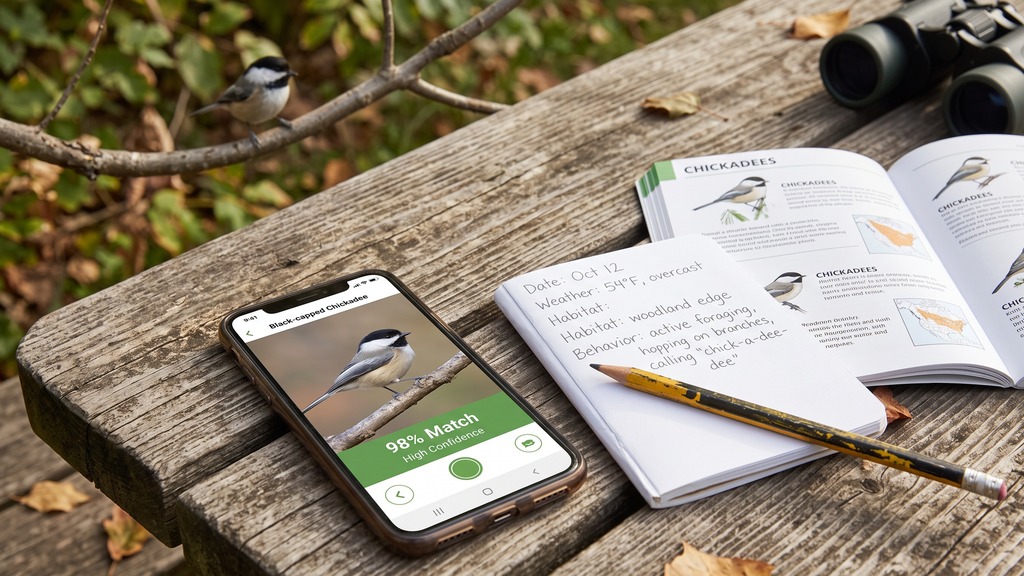
Good bird data includes context, not just a species name. Note weather, habitat, food type, unusual behavior, and whether the bird was seen clearly or only briefly. Seasonal context matters too: a species may be a year-round resident, a winter visitor, or passing through during migration. Recording effort is equally important. If you watched the feeder for ten minutes one day and left it unattended for a week, those observations should not be interpreted as a complete measure of local abundance.
Identification confidence deserves special attention. Computer vision can suggest a likely species from a motion-triggered image, but lighting, feathers, camera angle, and similar-looking species can cause errors. Treat an automated identification as a helpful hypothesis, then review the image with a field guide or trusted birding resource. When sharing bird data, retain the confidence score or mark uncertain records for later verification. This simple habit makes backyard birding more transparent and helps educators teach the difference between an observation, an identification, and a conclusion.
Share Responsibly and Build a Long-Term Record
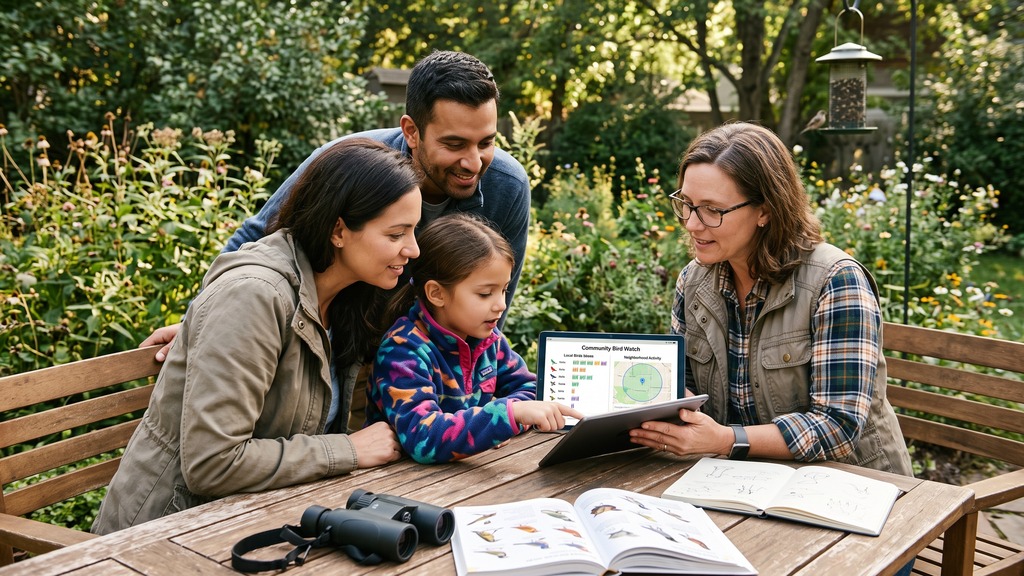
Once your records are consistent, sharing them can extend their value beyond your yard. Families can compare monthly patterns, classrooms can map species across neighborhoods, and community groups can look for changes in local biodiversity. Before submitting observations to a project or conservation database, check its requirements for accepted photographs, location precision, duplicate records, and reviewer verification. A clear record should explain what was observed, when it was observed, and how certain the identification is.
Privacy should be part of the workflow. Avoid publishing exact household addresses, faces, children’s names, or images that reveal private spaces. If a platform allows it, share an approximate location rather than precise coordinates, especially when observations could expose where people live. Cloud-supported tools such as Aviary Insight can help families maintain an organized wildlife journal, but users should understand account permissions, image storage, and sharing settings. The goal is not to turn every feeder visit into a formal scientific study. It is to create careful, ethical, repeatable bird data that supports curiosity today and better biodiversity monitoring over time.